The Medicinal Power of Garlic: What Science Actually Says
Garlic isn't just the backbone of good cooking — it's one of the most studied medicinal plants on the planet. For thousands of years, cultures from ancient Egypt to traditional Chinese medicine have used garlic to treat everything from infections to circulation problems.
Modern science has caught up. Here's what the research actually shows.
Allicin: The Compound Behind the Magic
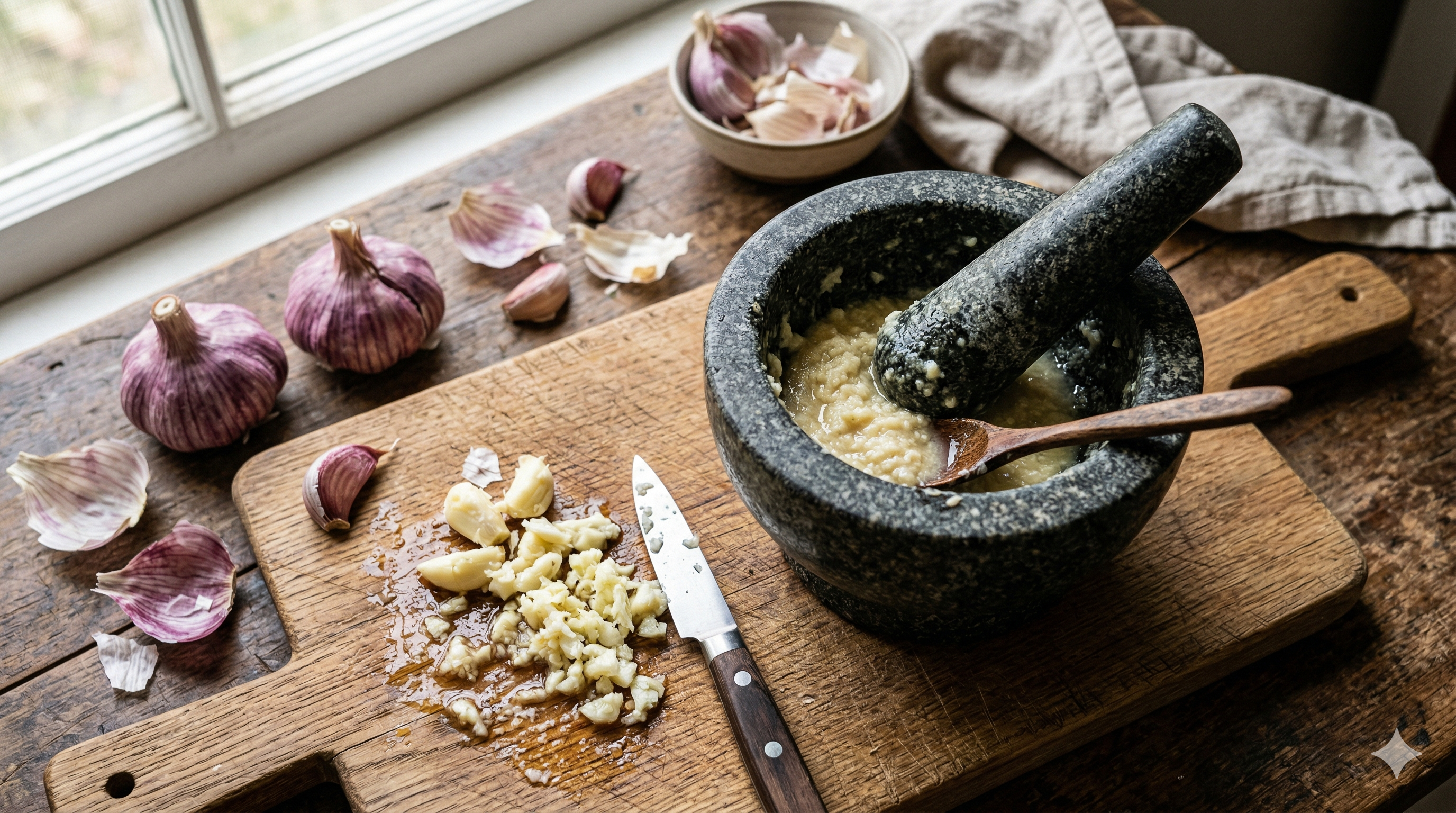
When you crush or chop a garlic clove, an enzyme called alliinase converts alliin into allicin — the compound responsible for garlic's pungent smell and most of its health benefits. Allicin is unstable and breaks down quickly, which is why fresh garlic is far more potent than supplements or pre-minced jars.
Tip: Crush your garlic and let it sit for 10 minutes before cooking. This gives allicin time to form fully before heat deactivates the enzyme.
Heart Health and Blood Pressure
Multiple clinical trials have shown that regular garlic consumption can reduce blood pressure by 5-8%. A 2020 meta-analysis in the Journal of Clinical Hypertension found that aged garlic extract was as effective as some first-line blood pressure medications in mild cases.
Garlic also helps by:
- Reducing LDL cholesterol (the "bad" kind) by up to 10-15%
- Improving blood vessel elasticity
- Reducing arterial plaque buildup
Immune Support
A well-known 2001 study published in Advances in Therapy found that participants who took a daily garlic supplement had 63% fewer colds than the placebo group. When they did get sick, symptoms resolved 70% faster.
Fresh garlic appears to boost the activity of natural killer cells and T-lymphocytes — your immune system's front line against viruses and bacteria.
Anti-Inflammatory and Antioxidant Properties
Garlic's organosulfur compounds have potent antioxidant effects, helping to neutralise free radicals that contribute to ageing and chronic disease. Studies have linked regular garlic consumption to reduced markers of inflammation, particularly C-reactive protein (CRP).
This is especially relevant for conditions like arthritis, where chronic inflammation drives joint damage.
Cancer Prevention Research
While no food can "cure" cancer, population studies consistently show that people who consume more fresh garlic have lower rates of stomach, colorectal, and throat cancers. The National Cancer Institute recognises garlic as one of several vegetables with potential anticancer properties.
The key word here is fresh. Processed garlic and supplements don't show the same associations.
Why Fresh Matters
Here's the thing most articles won't tell you: not all garlic is equal. Imported garlic is often treated with methyl bromide (a fumigant) and growth inhibitors to extend shelf life. These chemicals may reduce the very compounds that make garlic beneficial.
Our garlic at Indigo Garlic is:
- Never treated with chemicals or fumigants
- Harvested and cured naturally
- Shipped within days of leaving the shed
When you crush a clove of our Australian Purple or Music garlic, you can smell the difference. That pungent, eye-watering intensity? That's allicin forming. That's the good stuff.
The Bottom Line
Two to three cloves of fresh garlic per day is the dosage most studies use. Crush it, let it rest, and add it to your cooking. Your heart, immune system, and taste buds will all thank you.
Note: This article is for informational purposes only and is not medical advice. Always consult your healthcare provider before making changes to your health routine.